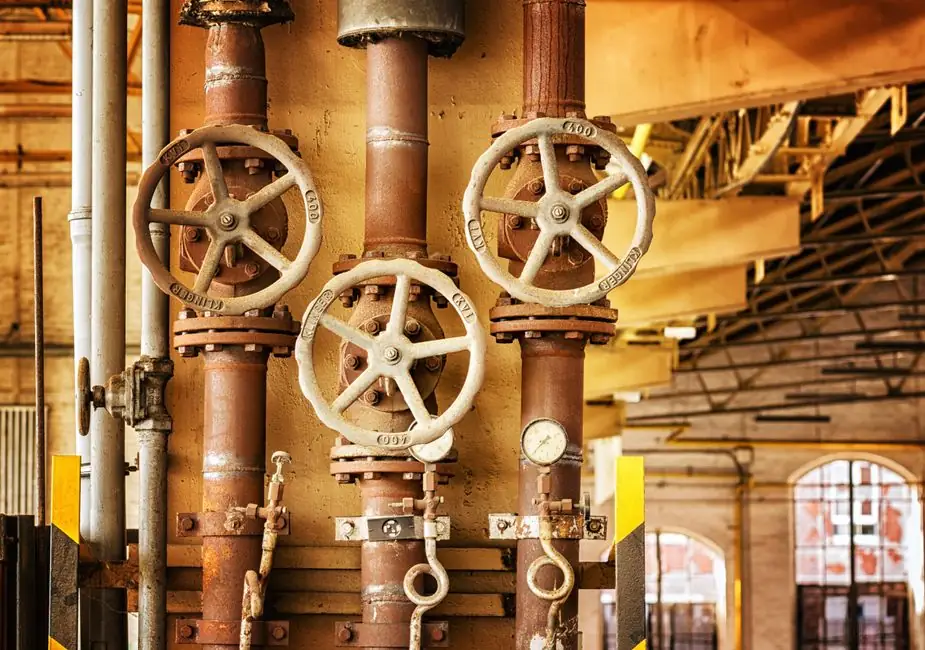
Galvanized steel pipes corrode primarily due to the breakdown of their zinc coating. This corrosion can lead to leaks, reduced water quality, and costly repairs for homeowners in Cypress.
Understanding how zinc coating works and the factors that contribute to corrosion can help you maintain your plumbing system effectively.
What is Galvanized Steel Pipe?
Galvanized steel pipe is a type of steel pipe that has been coated with zinc to prevent rusting. This protective layer is essential for ensuring the longevity of plumbing systems, especially in older homes where galvanized pipes were commonly used.
How Does Zinc Coating Work?
Zinc coating serves as a barrier between the steel and environmental factors that cause corrosion. When the coating is intact, it effectively prevents moisture and oxygen from coming into contact with the steel. However, once the zinc layer is compromised, the underlying steel becomes exposed, leading to corrosion.
What Causes Corrosion in Galvanized Pipes?
Several factors contribute to the corrosion of galvanized pipes:
- Water Quality: High levels of acidity or alkalinity in water can accelerate corrosion.
- Temperature: Warmer water temperatures can increase the rate of corrosion.
- Age: Over time, even the best-maintained galvanized pipes will deteriorate as the zinc coating wears away.
- Electrolysis: Nearby electrical currents can cause galvanic corrosion, particularly in homes with outdated electrical systems.
Homeowners in La Palma often report issues with galvanized pipes due to the area's older infrastructure.
Signs of Corroded Galvanized Pipes
Identifying corroded pipes early can save you from extensive repairs. Look for these signs:
- Discolored water, often with a rusty tint.
- Frequent leaks or water stains on walls and ceilings.
- Low water pressure, which may indicate blockages.
- Unpleasant tastes or odors in your drinking water.
If you notice any of these symptoms, it may be time to consider Galvanized Pipe Repiping Cypress CA.
How to Prevent Corrosion
Preventing corrosion in galvanized pipes involves several proactive steps:
- Regularly inspect your plumbing for leaks or signs of wear.
- Maintain a neutral pH level in your water supply.
- Consider installing a water softener if your water is hard.
- Replace old pipes with modern materials like PEX or copper.
Investing in PEX repiping Cypress CA can significantly reduce corrosion-related issues.
Common Mistakes in Pipe Maintenance
Many homeowners make mistakes that can exacerbate pipe corrosion:
- Ignoring small leaks, which can lead to bigger problems.
- Using harsh chemicals to clean pipes, which can damage coatings.
- Failing to insulate pipes in cold weather, leading to freezing and cracking.
Understanding these pitfalls can help you maintain your plumbing system more effectively.
When to Call a Professional
It's crucial to consult a professional when you notice signs of corrosion or significant plumbing issues. Cypress Galvanized Pipe Pros can provide expert assessments and solutions tailored to your home's needs.
Frequently Asked Questions
1. How long do galvanized pipes last? Galvanized pipes can last anywhere from 20 to 50 years, depending on water quality and maintenance.
2. Can I repair corroded galvanized pipes? In some cases, minor repairs can be made, but replacing the affected sections is often more effective.
3. What materials are best for repiping? PEX and copper are popular choices due to their durability and resistance to corrosion.
4. How much does repiping cost in Cypress? Typical 2026 pricing for repiping services ranges from $2,000 to $15,000, depending on the size of the home and the materials used.
5. What is the first sign of pipe corrosion? The first sign is often discolored water, which indicates rust and corrosion within the pipes.